The Shift Away From Immediate Homeownership
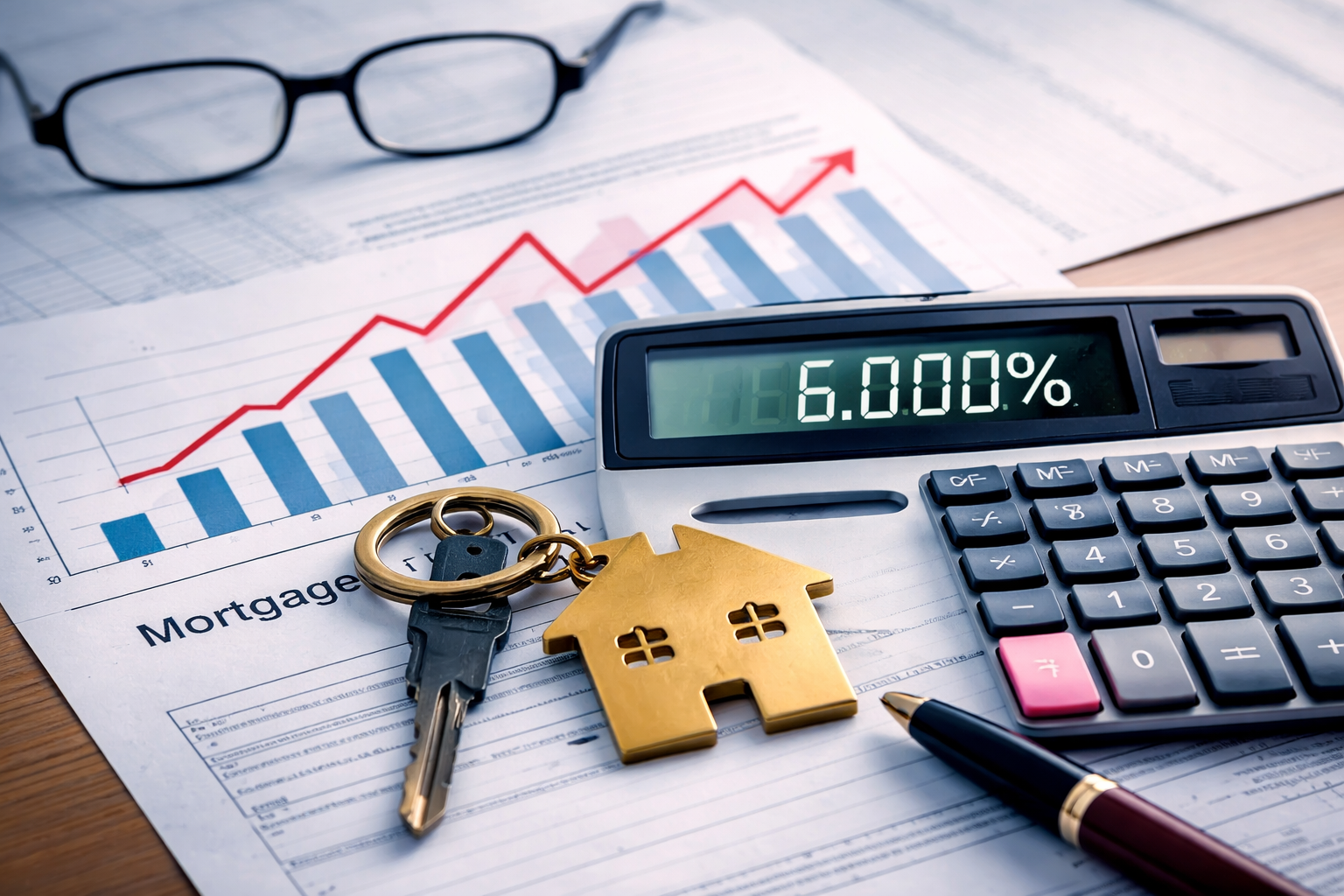
Higher borrowing costs have not eliminated the desire to purchase homes, but they have delayed the timeline for many individuals. Instead of exiting the market entirely, these would-be buyers are opting to rent longer while monitoring affordability conditions. This behavior is not driven by lack of interest, but by strategic timing. Buyers are choosing flexibility over commitment, especially in an environment where monthly ownership costs remain elevated.
Rental Market Response
As a result, rental markets are absorbing this redirected demand. Leasing activity has increased in many metropolitan areas, particularly in regions experiencing population growth and job stability.
Landlords and property managers are responding by:
- Maintaining firm pricing in high-demand areas
- Offering fewer concessions compared to prior slowdowns
- Prioritizing tenant retention strategies
The rental market is no longer acting as a temporary holding zone, but as a stable alternative for a growing segment of consumers.
Impact on Housing Inventory
This behavioral shift is also affecting the ownership market indirectly. With fewer renters transitioning into buyers, the pressure on available housing inventory is reduced, contributing to a more gradual pace of home sales rather than a sharp contraction. At the same time, it creates a pipeline effect. These renters are not lost buyers—they are delayed buyers who may re-enter the market when conditions align.
Strategic Takeaway
The rental market is becoming a critical component of the broader housing ecosystem rather than a secondary segment. Professionals who can operate across both rental and ownership transactions are positioned to capture clients at multiple stages of their decision cycle, rather than relying on a single transaction type.